What Austin's Summer Heat Does to Your Door Locks (and Your Smart Lock Batteries)
Sticky deadbolts. Smart locks that die at the worst possible moment. Here's why Austin summers are hard on your locks, and what actually helps.
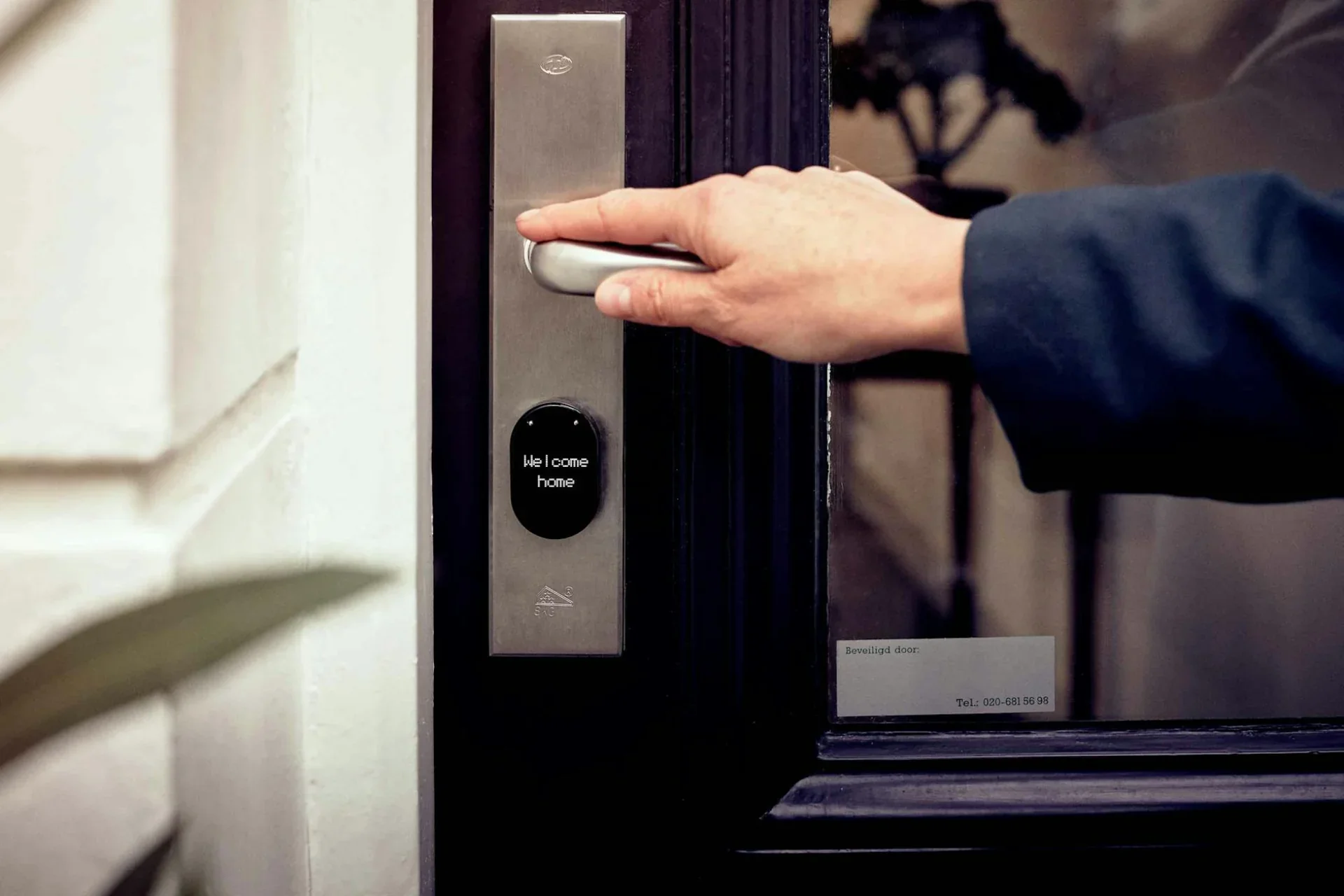
Austin’s summer heat swells wooden door frames, cooks the lubricant out of standard deadbolts, and drains smart lock batteries two to three times faster than in cooler months, because heat accelerates the chemical drain inside lithium batteries and warps the plastic keypad housings that sit in direct sun all day. The result shows up as a deadbolt that suddenly needs a shoulder to turn, or a smart lock that goes dark right when you’re standing on the porch with a bag of groceries. Neither one means your lock is broken. It means Texas summer is doing what Texas summer does, and a handful of seasonal habits keep it from turning into an actual lockout.
What Heat Actually Does Inside a Lock
Heat expands metal, and a deadbolt is a stack of small metal parts that need to move past each other smoothly. When a door frame swells even slightly in July and August, the bolt no longer lines up perfectly with the strike plate, so it drags, catches, or needs extra force to throw. At the same time, whatever lubricant was in the cylinder starts to dry out and gum up faster in sustained heat, especially in an older lock that hasn’t been serviced in a few years.
This is why a lock that worked fine in April can feel stiff by late June. It’s not a coincidence, and it’s not usually a sign the lock is failing. It’s the same door, the same lock, in a frame that’s a few millimeters different than it was in the spring. Older homes around 78704 and 78745, many built long before anyone worried about weatherproofing for 100-degree stretches, tend to show this first.
Signs Your Lock Is Already Struggling
A lock under heat stress rarely fails all at once. It tells you first, usually for a few weeks, before it actually leaves you stuck outside.
Watch for these:
- The key turns, but you have to jiggle or lift the door handle to get the bolt to fully retract
- The deadbolt throws fine from inside but resists from outside, or the other way around
- You hear a grinding or scraping sound that wasn’t there in the spring
- The door has to be pulled or pushed while you turn the key
- A smart lock’s motor sounds like it’s working harder than usual before it engages
Any one of those on its own is a minor annoyance. Two or three together, especially on your main entry door, is worth a quick look before August turns them into a Saturday afternoon locked out on the driveway.
Why Smart Lock Batteries Die Faster in Austin
Smart lock batteries drain faster in Austin heat because lithium batteries lose efficiency above roughly 100 degrees Fahrenheit, and a keypad mounted on an exterior door in direct sun can sit well above the outside air temperature for hours at a time. A battery indicator that read 40 percent on a mild spring day can drop to single digits within a couple of weeks once the door face itself is regularly hitting 120 degrees or more in the sun.
The keypad housing takes its own kind of damage too. UV exposure and repeated heat cycling make the plastic and rubber seals around the buttons brittle over a couple of summers, which is often why a smart lock that worked perfectly for two years suddenly starts missing keypad presses or reading fingerprints inconsistently once it’s three or four summers old.
West-Facing and South-Facing Doors Take the Worst of It
A west-facing or south-facing front door takes the worst of Austin’s heat because it gets hours of direct, unfiltered afternoon sun with nothing to block it, pushing the door and lock hardware itself well past the day’s air temperature. A lot of South Austin floor plans, particularly in newer construction around Circle C and Slaughter Lane, orient the main entry to face the street rather than away from the sun, which means the front door often runs hotter than a side or back door on the same house.
If your front door is the one giving you trouble and a side door still works fine, that’s a strong clue the heat itself, not a defective lock, is the actual cause. A simple storm door, an awning, or even a strategically placed shade sail over the entry can knock several degrees off what the lock hardware experiences every afternoon.
Five Things That Actually Help
None of these require replacing anything, and most take less than fifteen minutes:
- Use a dry, graphite-based lubricant in the cylinder once a year before summer starts. Skip oil-based products. They attract dust and grime, which makes the sticking worse over time.
- Check the strike plate alignment if the deadbolt has started resisting. A quarter-inch adjustment often fixes what feels like a failing lock.
- Replace smart lock batteries a little early, before they hit the low-battery warning, if the lock sits on a west- or south-facing door. Running them down to empty in extreme heat stresses the battery further.
- Add shade over an exposed front door if you can. Even partial afternoon shade measurably lowers the surface temperature of the lock hardware.
- Test your backup key for any smart lock before the peak of summer, not after the batteries have already died. A smart lock with no working mechanical backup is a lockout waiting to happen.
When to Call a Locksmith Instead of Troubleshooting Yourself
Call a locksmith instead of continuing to troubleshoot when the key has stopped turning altogether, when you hear metal grinding inside the cylinder, or when a smart lock’s mechanical backup key no longer works, because forcing a stuck lock at that point usually breaks a key off inside the cylinder and turns a five-minute fix into a full lock replacement.
If your lock is just stiff, the steps above usually solve it. If it’s stuck, grinding, or the backup key doesn’t turn either, stop before you make it worse. South Austin Locksmith is licensed and insured in Texas under license B10595301, and we run a 20-minute average response across South Austin and the surrounding areas. Call (512) 777-0915 if summer got to your lock before you got to it.
A Couple of Quick Answers
Does WD-40 fix a sticky lock? Not for long. WD-40 is oil-based, so it dissolves whatever dry lubricant is already in the cylinder and leaves behind a residue that attracts dust. It can feel like it worked for a day or two, then the lock gets stickier than before. A dry, graphite or PTFE-based lock lubricant is the better choice for Texas heat.
Can extreme heat actually damage a smart lock permanently? Yes, over repeated summers. Occasional heat exposure mostly just drains the battery faster. Years of direct sun on an unshaded keypad will eventually crack housings, degrade seals, and shorten the lifespan of the internal electronics, which is why shade and early battery swaps matter more than most homeowners expect.
Austin summers are hard on a lot of things around the house, and locks rarely make anyone’s list until one stops working on a 105-degree afternoon. A little seasonal attention now is a lot cheaper than a service call during the hottest week of August.
Content strategy and SEO by Optymizer.