
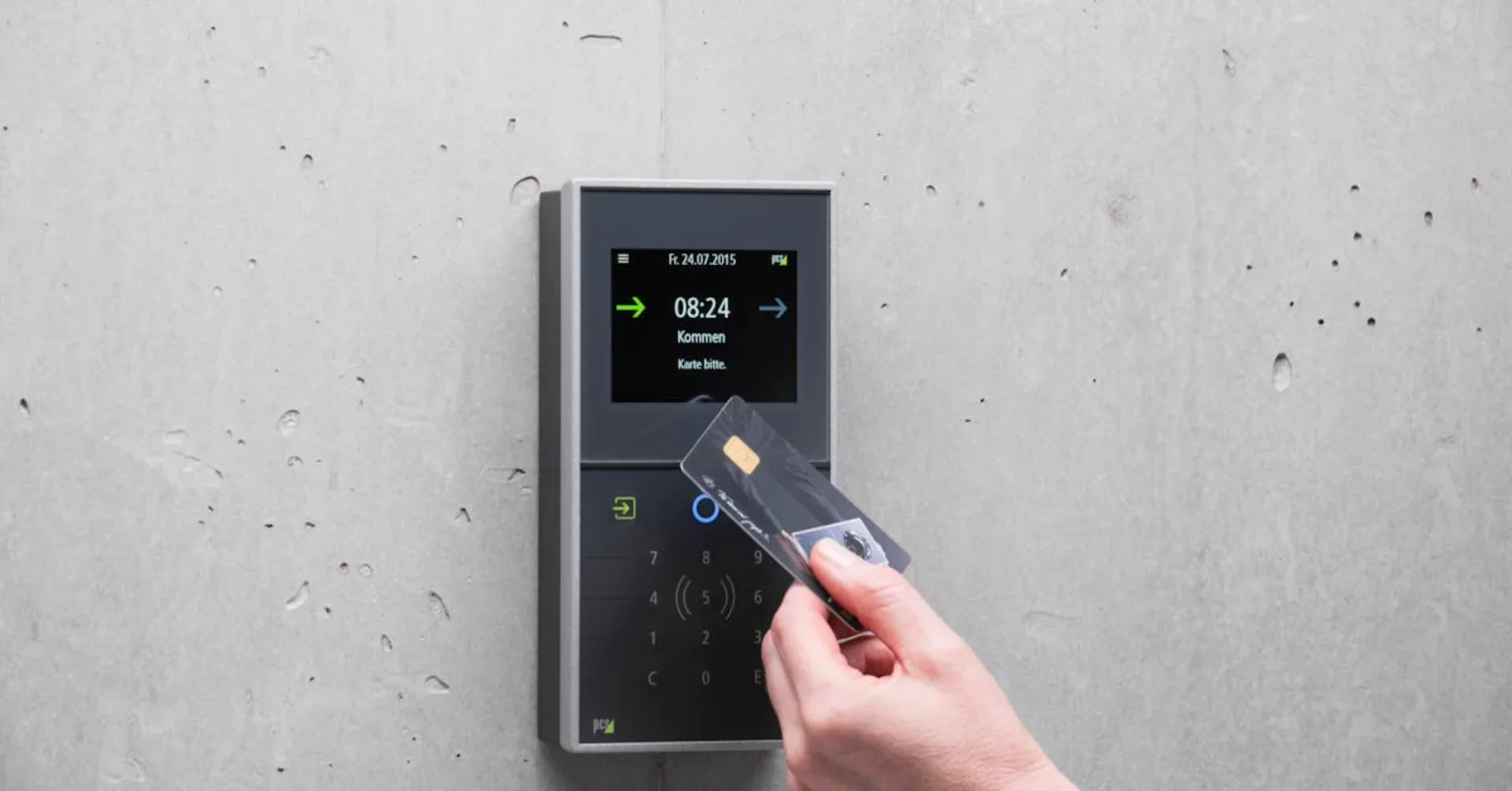
Commercial Card Reader Installation in Austin
Install proximity card, smart card or key fob readers for an Austin business, with credentialed door access and management options. Call (512) 777-0915.
Review Configured Event Records
A selected system can retain event records for configured doors. The detail, availability, and retention period depend on the controller, connectivity, configuration, and provider settings.
-
Configured Timestamps
Review retained records alongside your own attendance and incident procedures.
-
Credential Updates
Update or revoke credentials through the selected system when its controller and connectivity allow.
Professional Card Reader Access Control in Austin
Card reader systems give businesses a way to control supported doors with cards, fobs, smart credentials, or mobile credentials. The useful design depends on the doors, locking hardware, life-safety requirements, credential technology, reporting needs, and who will administer access.
South Austin Locksmith designs, installs, and maintains card reader access control systems for Austin businesses, from a compatible standalone door to networked multi-door systems. We assess the opening, wiring path, controller, software, and integration requirements before recommending a system.
This service covers the reader hardware, door wiring, and installation. For issuing, revoking, and auditing the card or fob credentials those readers accept, see our key-card and fob access administration service.
The published pricing guide lists access control systems from $500 to $2,000+, with a custom quote required. Door count, reader type, locking hardware, wiring, controllers, software, and integration needs affect the total.
Why Card Reader Access Control?
The Limitations of Traditional Keys
Traditional key-based security has fundamental weaknesses. Keys can be copied, lost, or never returned.
The Hidden Cost of Keys
A lost mechanical key may require rekeying affected openings because it cannot be deactivated remotely. A managed credential can be disabled according to the system's controller and update process.
Card Reader Advantages
Card-based credentials can reduce these problems when the system is configured and administered well:
Credential Revocation
Deactivate a supported credential in the management system and issue a replacement without changing the card-reader hardware.
SecureConfigured Event Records
Record supported credential events by door and time, subject to system configuration and retention settings.
SecureFlexible Scheduling
Grant access only during specific hours. Cleaners get 6-8 PM access, managers get 24/7.
SecureCard Reader Technologies
Proximity Cards (125kHz)
The most widely deployed access control technology in commercial applications.
- How They Work: Passive card harvests power from reader to transmit ID.
- Advantages: Commonly available, contactless, and compatible with many established systems; confirm the exact credential and reader format.
- Best For: Office buildings, warehouses, retail back rooms.
Smart Cards (13.56MHz)
Advanced encrypted credential technology for higher security needs.
- How They Work: Encrypted handshake between card and reader.
- Advantages: Some formats support encrypted authentication and multiple applications; certifications depend on the exact product and configuration.
- Best For: Sites that need stronger credential authentication or supported multi-application use.
Key Fobs & Mobile
- Key Fobs: Durable, convenient tokens that attach to keyrings. Great for parking gates.
- Mobile Credentials: Use your smartphone as your key via Bluetooth/NFC.
System Architectures
Standalone vs. Networked
- Standalone: A possible fit for a smaller, self-contained opening where local programming and administration meet the facility’s needs.
- Networked: May suit facilities that need centralized administration, reporting, or coordinated door behavior. The architecture follows the assessed doors, operations, and life-safety requirements.
Our Card Reader Installation Process
Site Assessment
We visit your site to assess doors, wiring paths, and security goals.
Custom System Design
We design a system tailored to your facility, including reader placement and network topology.
Professional Installation
We run the planned cable, mount compatible hardware, and configure the selected controller and software.
Training & Support
We train your administrators on the selected system and explain the support available for its installed scope.
Common Applications
Office Buildings
Medical Facilities
Warehouses & Distribution
Retail & Restaurants
Why Choose South Austin Locksmith?
Product-Specific Planning
We confirm the reader, credential, controller, software, and locking-hardware compatibility required for the selected system before installation.
Compatibility First
We compare supported products against the existing doors, credentials, controller, software, integrations, and administration needs.
Life-Safety Coordination
The design must preserve required egress and coordinate electric locking hardware with the applicable door, fire, and access requirements.
Pricing Factors
Our pricing guide lists access control systems at $500-$2,000+ and requires a custom quote. Door count, reader and credential technology, electric locking hardware, cable paths, controllers, software, integrations, and backup-power needs determine the installed total.
Call (512) 777-0915 for a custom quote.
What's Included
Benefits
- Reduce rekeying caused by lost credentials
- Deactivate supported credentials in the management system
- Record configured credential events
- Set time-based access schedules
- Issue temporary credentials for contractors
- Reduce reliance on distributed mechanical keys
Frequently Asked Questions
What's the difference between proximity cards and smart cards?
How many card readers do I need?
Can employees use their existing employee badge?
What happens if someone loses their access card?
Can I set different access levels for different employees?
Do card readers work during power outages?
Pricing
Starting at
$500
The pricing guide lists access control systems at $500-$2,000+, with a custom quote required. Door count, reader type, locking hardware, wiring, controllers, software, and integration needs affect the total.
Call for QuoteWhy Choose Us?
- Licensed & Insured
- Fast Response Times
- Upfront Pricing
- Professional Technicians
- Satisfaction Guaranteed
Ready to Get Started?
Call now for immediate assistance or request service online