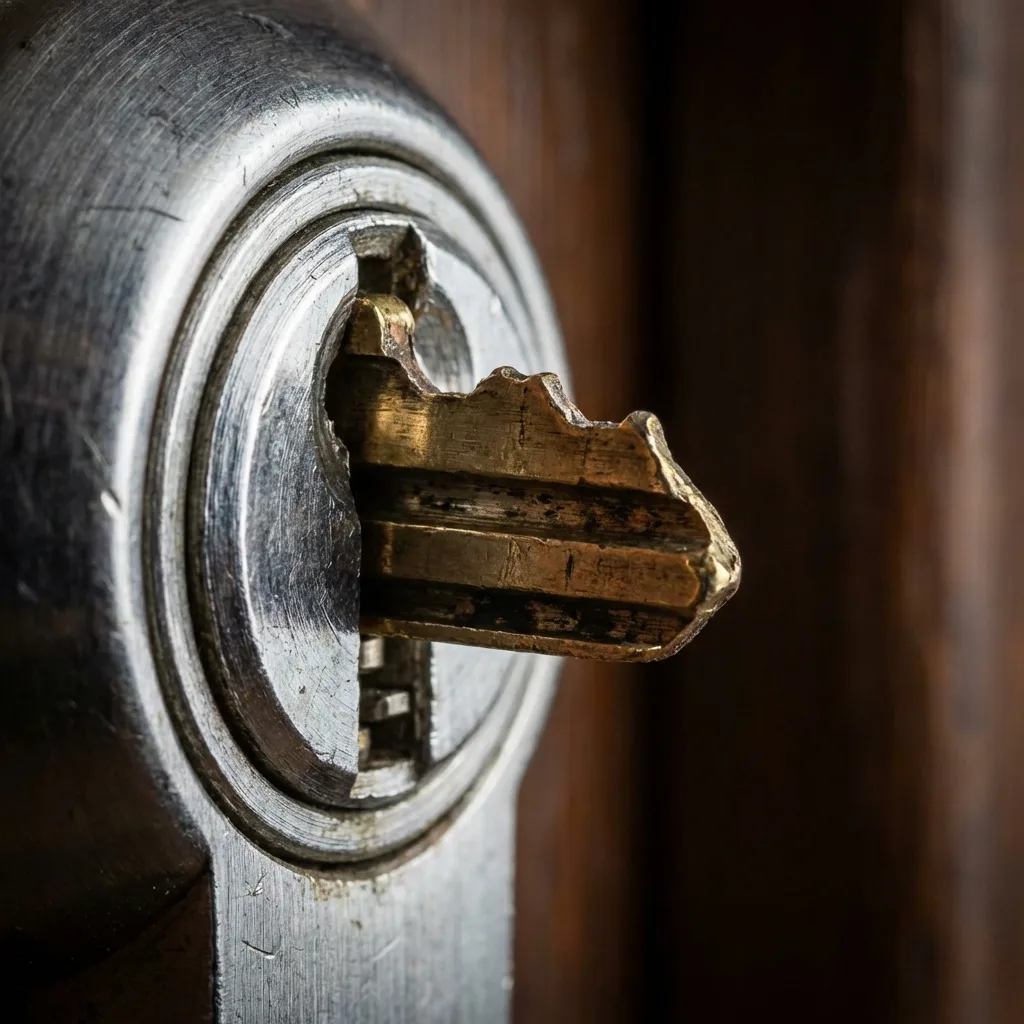
Broken Key Extraction in Austin
High Priority
20-minute average Response

Broken Key Extraction in Austin

Emergency broken key extraction for car, home, and business locks, with non-destructive methods used whenever the lock and fragment condition allow.

Current Status

High Priority

Technicians on standby for immediate dispatch.

Avg. Response

20-minute average

Currently active and dispatching
Availability

24/7/365

Including pending holidays and weekends.

How It Works

Emergency Response Process

We've streamlined our process to get you back to safety as quickly as possible.

1

1. Your Emergency Call

We ask for your address, lock type, and if anyone is in danger. We provide an upfront price quote and ETA.

2

2. Technician Dispatched

Our closest mobile unit heads your way. Average arrival time is about 20 minutes in South Austin.

3

3. Verification of Residence

For your safety, we verify you live there (ID, mail, lease). We never unlock homes without verification.

4

4. Professional Lock Picking

We use professional tools to pick your lock. 90% of lockouts are resolved this way without damage.

5

5. Alternative Entry

If picking isn't possible, we use other non-destructive methods. Drilling is an absolute last resort.

6

6. Prevention & Spares

We get you back inside and can cut spare keys on-site to prevent future lockouts.

How We Can Help

Emergency Broken Key Extraction Service

Professional broken key removal from house locks using non-destructive methods whenever possible.

Learn More

You turned your key and felt it snap. Or you pulled it out and half stayed inside the lock. Now you have a broken key stuck in your door lock, car ignition, or business entrance. After removing the fragment, inspect both the key and the cylinder for wear, misalignment, or internal damage that may have caused the break. A working spare can usually be duplicated; many residential and commercial locks can be decoded for a replacement key, while automotive keys may also need transponder programming. If the fragment does not protrude and slide out easily, stop rather than pushing it deeper with tweezers, glue, another key, or improvised tools.

Stop! Don't Try These DIY Methods

If a protruding fragment does not slide out with a gentle straight pull, stop. Don’t use glue or push another object into the keyway.

Attempting to remove a broken key without the right tools can push it deeper or damage the lock.

Risks of DIY Extraction

Our Broken Key Extraction Process

1

1. Diagnosis & Assessment

We identify where the key broke and how deep the fragment is. We determine if the lock cylinder is damaged.

2

2. Tool Selection

We select the specific extractor tool (hook, spiral, or pliers) best suited for your lock type.

3

3. Fragment Extraction

Using a suitable extractor, we guide the broken piece out while minimizing the risk of damage to the pins and cylinder.

4

4. Lock Testing

We clear any debris and test the lock mechanism to ensure it still turns smoothly.

5

5. New Key Creation

When the lock and key system support it, we use a sound spare, key code, or lock decoding to make a replacement key.

Extraction by Lock Type

House Door Locks
Deadbolts and knob locks vary by keyway and fragment depth. After extraction, we inspect the cylinder and can duplicate a working spare or decode many residential locks when a replacement key is needed.
Car Ignitions
Ignition extraction requires vehicle-specific assessment. Do not force the ignition. A replacement key may also require cutting and transponder programming before the vehicle can start.
Car Door Locks
Car-door methods depend on the vehicle and where the fragment broke. We confirm access and replacement-key options from the year, make, model, and key type.
Commercial Locks
Commercial and restricted-keyway cylinders may require disassembly or manufacturer-authorized replacement-key procedures. We verify the lock model and authorization requirements first.

Preventing Future Broken Keys

1
Strategy 1

Replace Worn Keys

Inspect your keys:

  • Deep grooves?
  • Bent?
  • Cracks?

Replace a visibly bent, cracked, or badly worn key before it breaks.

2
Strategy 2

Don't Force Locks

If it sticks, don’t force it.

  • Use only a lubricant approved by the lock manufacturer.
  • Push door in while turning.
  • If still stuck, call us to fix the lock before the key breaks.
3
Strategy 3

Accurate Key Copies

Start with a good original.

  • Avoid copying from a bent or badly worn key when a key code or sound spare is available.
  • Test a new copy for smooth insertion and operation without forcing it.

Wait! Read this first.

Frequently Asked Questions

Can you remove a broken key without damaging the lock?

Often. We first assess the fragment depth and cylinder condition, then use an extractor suited to the lock. A fragment that is jammed, shattered, corroded, or lodged in an already-damaged cylinder may require disassembly, drilling, or lock replacement. We explain that before proceeding.

How long does broken key extraction take?

The service time depends on how deeply the key is lodged, whether the fragment is visible, the lock type, and whether the cylinder was damaged when the key broke. Key cutting or automotive programming adds work after extraction. We provide an arrival estimate and explain the likely service time after assessment.

How much does broken key extraction cost?

Our pricing guide lists broken key extraction at $50-$150 for locks and ignitions. Lock condition, fragment depth, after-hours timing, and any separate key cutting, programming, or replacement work affect the total. We provide the exact quote before starting work.

My key broke inside the ignition - can I still drive?

Do not force the ignition or attempt to drive until the fragment and ignition condition have been assessed. Tell us the vehicle year, make, model, and key type. After extraction, a replacement automotive key may need both cutting and transponder programming before the vehicle can start.

What causes keys to break in locks?

Common contributors include a bent or worn key, a stiff or misaligned lock, debris in the keyway, and excess force. Stop if a key begins to bend or needs unusual force. Have the key and lock inspected so the underlying cause can be corrected before another key breaks.

Can I extract a broken key myself?

If a clean fragment protrudes far enough to grip and slides without resistance, a gentle straight pull may work. Stop if it is flush, resists movement, or begins moving deeper. Do not use glue, push another object into the keyway, or force the cylinder; those attempts can complicate extraction or damage the lock.

Do you need to drill the lock to remove a broken key?

We try an appropriate non-destructive extraction method first. Drilling or replacement may be necessary when the fragment is shattered or inaccessible, or when the cylinder is already damaged or failing. We explain the reason and replacement cost before altering the lock.

What if my broken key has a transponder chip?

Keep the key head and chip if you have them. Depending on the vehicle and damage, the existing chip may be reusable or the replacement key may need a new transponder programmed to the vehicle. We confirm blank and programming support from the year, make, model, and key type before promising on-site completion.

Need Help Right Now?

Don't wait - emergency locksmith service available 24/7/365 with 20-minute average average response time.

Emergency: (512) 777-0915